

SEO for Beginners: No-BS Guide for Creators & Small Biz (2025)
Two years ago, a small finance company called CashEddy watched its traffic fade. After a few simple SEO fixes, like faster pages, clearer site structure, and better keywords, their organic traffic jumped over 200%. No hacks, just basics done right.
SEO is how search engines like Google connect your content to the people who need it. If you create videos, write newsletters, or sell services, SEO helps your work get found without buying ads. In 2025, that means steady views, warmer leads, and more sales, even on a tight budget.
This guide keeps it no-BS. You will get clear steps, plain language, and quick wins you can do in an hour. No fluff, no jargon, just what moves the needle.
Here is what you will learn, fast:
- How search works: What Google looks for and how to match it.
- Keywords that matter: Find topics your audience already searches for.
- On-page basics: Titles, headings, and internal links you can fix today.
- Helpful content: Simple formats that rank and earn trust.
- Speed and mobile: Easy checks that lift rankings.
- Local SEO: Get found by nearby buyers if you serve a city.
If you are a creator, freelancer, or small business owner, this is for you. You want organic growth that builds week after week. You want traffic you can count on.
Bring a notebook and one page of your site. You will make a few focused changes and see results faster than you think. Ready to start with what works and skip the hype?
Want a quick primer first? Watch this helpful overview: https://www.youtube.com/watch?v=_s2h7X-c2jE
How to Pick Keywords That Bring Real Visitors
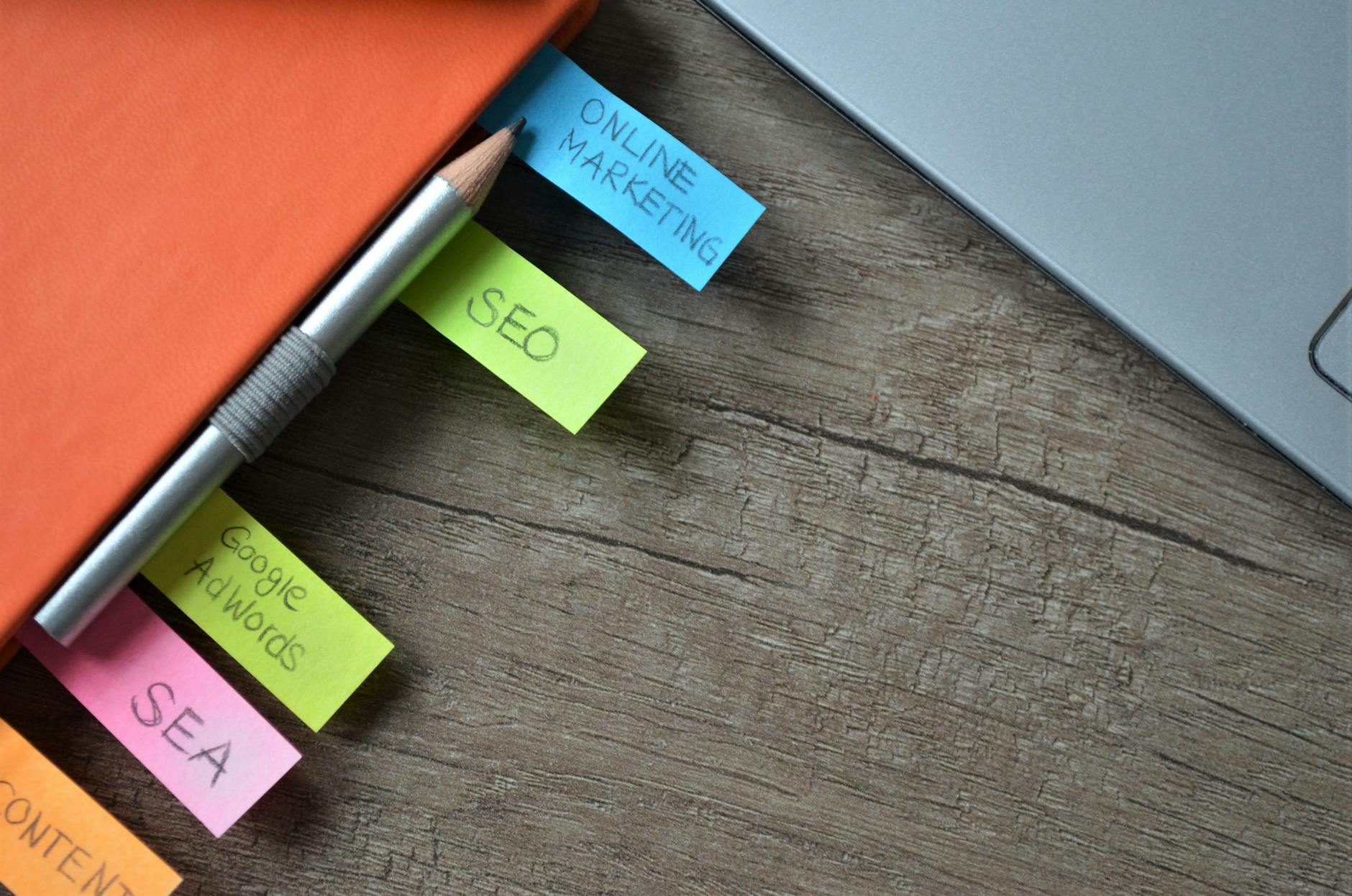 Photo by Tobias Dziuba
You do not need fancy software to find keywords that bring traffic. Start with how your audience speaks, then back it up with simple checks. Focus on long, specific phrases and match the search intent. In 2025, search rewards natural wording, so write like a human and let SEO support the message.
Tools and Steps to Find Your Best Keywords
Start with free, easy tools. Use them in a simple workflow and you will spot low-competition ideas fast.
- Google Suggest: Type your idea in Google and note the autocomplete phrases. This shows what people actually search.
- Ubersuggest: Use the free version to see volume, competition, and related terms. Try the tool at Ubersuggest: Free Keyword Research Tool.
- AnswerThePublic: Grab real questions people ask around your topic. See it here: AnswerThePublic.
- Google Keyword Planner: Check ranges for search volume if you have a Google Ads account.
Follow these steps with the seed keyword SEO:
- Brainstorm what your audience types. Examples: easy SEO tips for beginners, SEO for small business owners in 2025, content optimization checklist.
- In Google, look at autocomplete and People Also Ask. Copy phrases that fit your audience.
- In Ubersuggest, enter SEO. Note search volume and the competition score. Flag keywords with decent volume and low competition.
- Add questions from AnswerThePublic. Prioritize long-tail phrases like SEO for small business owners in 2025 or how to improve search ranking on a new blog.
- Match user intent. Label each keyword as informational, buying, or local. Example: video editing tutorials for YouTube is informational. SEO consultant near me is local.
- Build a list of 5 to 10 keywords per topic. Include related terms like search ranking, content optimization, and title tags to add context.
- Test in the wild. Search your top picks. Check the results. If the pages are weak or outdated, you have a shot.
- Write naturally. Use the keyword once in the title, once early in the intro, and a few times where it fits. Avoid stuffing.
Quick wins for creators:
- Example: video editing tutorials for YouTube, video SEO tips for YouTube shorts, how to write YouTube titles that rank.
- Publish, then watch search data and refine. Real searches are your best filter.
Create Content That Search Engines and Readers Love
 Photo by Tobias Dziuba
Great content answers a real question, then signals that value clearly to search engines. Think of SEO as your signpost. It helps people find the right door, your post, and stay because it actually helps. Keep it simple, tight, and useful. Write like you talk, then format for skimming.
On-Page SEO Tricks to Boost Your Rankings
You control these on-page moves, and they stack fast. Start with the basics and keep them consistent across your site.
- Meta titles: Keep them under 60 characters, lead with the main keyword, and promise a clear benefit. Example: SEO for Beginners: Simple Steps That Work.
- Meta descriptions: Write a snappy preview, 150 to 160 characters, that matches the search intent. Example: Learn easy SEO tips to rank higher, get more readers, and grow your small business in 2025.
- Alt text for images: Describe the image and include natural keywords. Example: alt="SEO checklist on notebook for small business blog."
Tidy structure wins:
- Short, keyword-rich URLs: Use lowercase, hyphens, and no filler words. Example:
/seo-for-beginners, not/how-to-improve-your-seo-in-2025-for-small-businesses. - Headings that guide: H1 for the main idea, H2s and H3s to break steps. Put the primary keyword in the H1 and early in the intro.
- Internal links: Link related posts to build topic clusters. Use descriptive anchors like email marketing checklist or local SEO tips for Austin. Aim for 2 to 4 internal links per post.
Polish for readers and search:
- Front-load value: Answer the core question in the first 2 to 3 lines.
- Scannable formatting: Short paragraphs, bullets when helpful, bold key phrases.
- Update old content: Refresh stats, add examples, and fix broken links. Keep the URL.
- Image compression and lazy load: Faster pages keep users on site.
- Basic schema: Add FAQ schema to posts that answer common questions. It can earn rich results.
Want a quick checklist to compare against your setup? See this clear overview of on-page SEO best practices for 2025. For another take, this guide on SEO best practices for 2025 covers titles, URLs, and internal links with examples.
Picture the result: your post loads fast, the keyword sits in the right places, the intro hooks, and readers click deeper into your site. That is how you turn SEO into steady traffic and trust.
Fix Your Site's Tech Side Without Being a Pro
 Photo by Pixabay
You do not need to write code to tighten up your site. A few quick checks can lift SEO, bring more clicks, and help real people stick around. Start simple: make it mobile-friendly, fast, and secure.
- Mobile-friendly: Test your site on your phone. Buttons should be easy to tap, text should be readable, and pages should not require pinch and zoom.
- Speed: Compress images before uploading, use lazy loading, and remove heavy scripts you do not need. Run a free audit with Google PageSpeed to see your Core Web Vitals for speed and interactivity. Fix what it flags first.
- HTTPS: Add an SSL certificate so your URL shows https. Most hosts include this free. Google treats it as a trust signal.
- Clean structure: Use short URLs, clear headings, and tight internal links. Link new pages to 2 to 4 related pages so search engines understand your topics.
- Quick wins: Keep plugins lean, update software, and use caching if your host offers it.
For deeper tips that stay budget-friendly, this guide on affordable local SEO strategies for 2025 breaks down moves you can apply in a weekend.
Local SEO Wins for US Small Businesses
Local searches turn into foot traffic and calls. Set up the basics and you can show up in Google Maps and voice searches like “best tacos near me.”
- Claim your Google Business Profile: Add your address, hours, services, and photos. Pick the right category and add a short description with natural keywords.
- Consistent NAP: Make your name, address, and phone match across your website, listings, and social profiles. Tiny mismatches confuse search engines.
- Use location keywords: Add phrases customers actually say. Example: coffee shop SEO in Seattle, wedding photographer in Tampa, HVAC repair near Phoenix.
- Ask for reviews: Send a simple request after each job. Reply to every review with real care. Fresh reviews boost trust and rankings.
- Post updates: Share offers, events, and FAQs on your profile. Add photos of your space, team, and work.
If you want a playbook that covers Maps, reviews, and profile optimization, see this clear breakdown of local SEO in 2025 and how to make it work.
Local tune-up checklist:
- Add your full NAP to your site footer.
- Embed a map on the contact page.
- Create one location page per city you serve.
- Link those pages from your main navigation.
Track SEO Results and Keep Improving
 Photo by Negative Space
You do not have to guess if your SEO is working. Measure a few signals each month, make small fixes, and watch traffic and leads rise. Keep it simple, stay consistent, and you will build momentum.
Set clear goals
Pick targets you can track and improve. Keep the list short.
- Keyword positions: Top 10 for your main terms.
- Organic visits: Sessions from Google and Bing.
- Clicks and CTR: Queries that get views but few clicks.
- Conversions: Email signups, calls, or sales.
- Top pages: Posts that bring the most search traffic.
Creators, also watch shares and saves on social. It hints at content worth expanding.
Use free tools that work
Google Analytics shows traffic and conversions. Track organic sessions and top landing pages. Set one simple goal, like a newsletter signup.
Google Search Console shows queries, impressions, clicks, and average position. Use it to see what you rank for and where you can win. This guide to Google Search Console for 2025 explains key reports with examples: Complete guide to Google Search Console. If you are new to SEO, the SEO Starter Guide from Google is a solid baseline: Google’s SEO Starter Guide.
Build a simple dashboard in 15 minutes
You only need a sheet and two browser tabs.
- In Search Console, export Queries for the last 28 days. Filter by your country.
- In Analytics, note Organic sessions, Top landing pages, and Conversions.
- In a sheet, add columns: Keyword, Position, Clicks, Page, CTR, Update date.
- Color any keyword in positions 8 to 20. These are upgrade targets.
- Save both reports so you can repeat this each month in minutes.
Monthly check-in and tune-ups
Use a 30-minute routine.
- Fix pages sitting in spots 8 to 20. Add answers, examples, and internal links.
- Lift CTR. Tighten titles, add benefits, and match search intent.
- Refresh posts with rising impressions but flat clicks.
- Consolidate thin posts into one stronger guide.
- For creators, double down on posts that also get shares.
Watch AI summaries in 2025
AI Overviews can reduce clicks on broad queries. Win by giving clear, cited answers, using FAQs, and adding media that earns visits. Read how Google frames this shift here: AI in Search: Going beyond information to intelligence.
Small improvements add up. Keep tracking, keep tweaking, and your SEO will compound.
Conclusion
SEO is not magic, it is maintenance. You learned the basics that move results: pick clear keywords, write helpful content, tidy your pages, fix simple tech, and track progress every month. Use intent-focused topics, tight titles, fast pages, and internal links that guide readers deeper. Keep local details fresh if you serve a city, and format answers so they can surface in snippets or AI summaries. When you do this steady, your organic traffic grows and stays.
Start small today. Choose one action from this guide, then ship it. Update a title and meta description, compress images on your top page, or add two internal links to a post in positions 8 to 20. Tomorrow, refresh a paragraph with a better answer, then log your results. Consistency beats perfect plans, and SEO rewards compounding effort.
Creators and small businesses win by showing real experience and staying useful. Keep your voice, cite true claims, and make every page easy to read on mobile. If you want more step-by-step playbooks like this, subscribe for updates. Drop your first win in the comments, maybe a ranking bump or faster load time, and share what worked. No hype, just proof that SEO works when you do the work.




No comments:
Post a Comment